

GoBundance Women
Power Clips: Top Moments from Power Up Your Life

Episode #19

Episode 19: Amanda Han | Empowering Entrepreneurs With Wealth Building Wisdom

June 2, 2025 · 25:06

Total runtime: 25:06

Show notes

Power Up Your Life Podcast | Episode 19: Amanda Han on Empowering Entrepreneurs With Wealth Building Wisdom

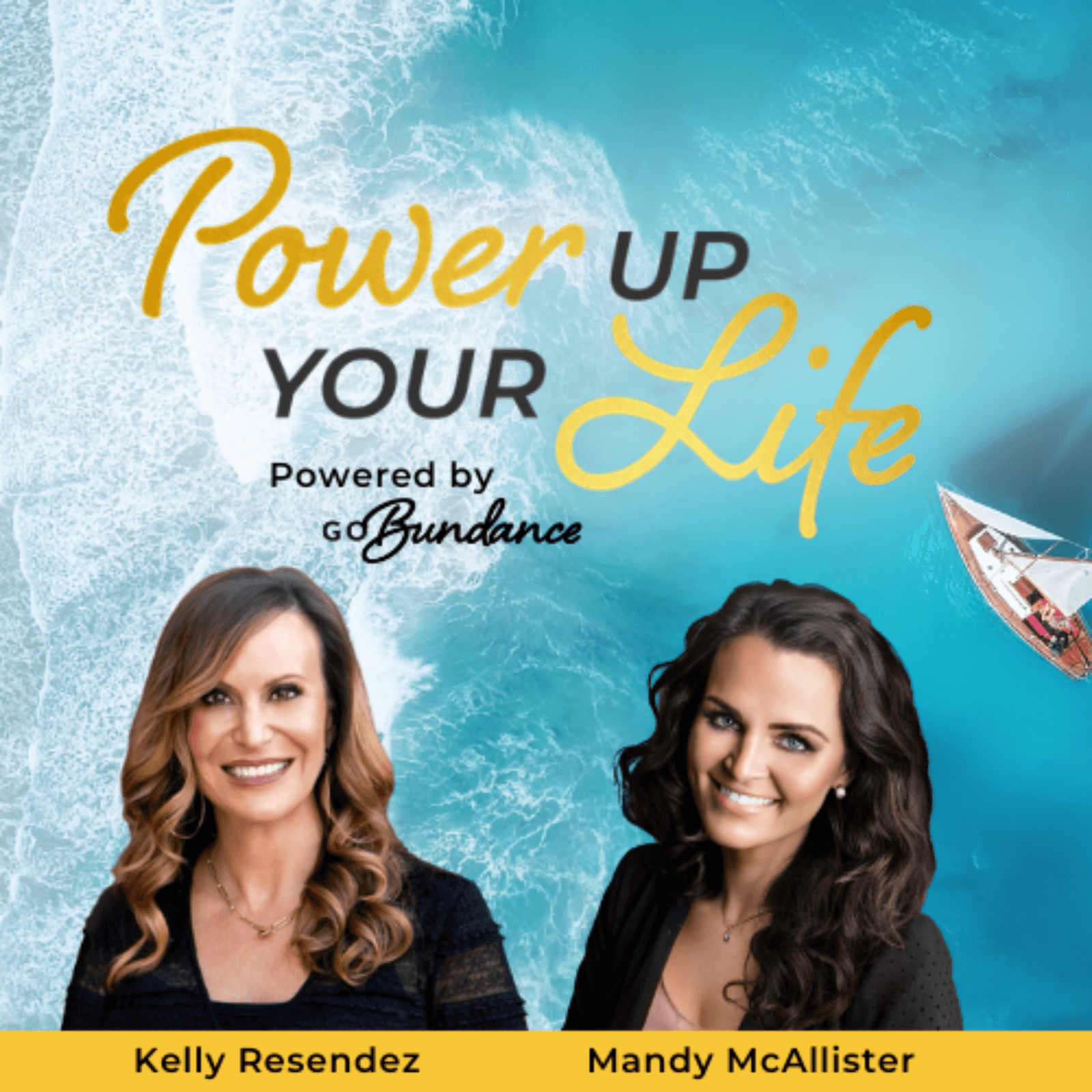
Welcome to the Power Up Your Life Podcast! In this episode of PUYL, hosts Mandy McAllister and Kelly Resendez welcome Amanda Han, CPA, tax strategist, and co-author of 'Tax Strategies for the Savvy Real Estate Investor.' Amanda shares her journey from a traditional career path to becoming a leading real estate investor and strategist. She talks about overcoming fears with knowledge, the importance of long-term planning, and unconventional strategies that have helped her succeed. Amanda offers insights on scaling businesses, the crucial role of expert advice, and due diligence in syndication investments. Tune in for actionable advice on building lasting wealth and tax planning.

To connect with Amanda:
Website: https://www.keystonecpa.com/About-Us
Instagram: https://www.instagram.com/amanda_han_cpa/

If you enjoyed this content, like, comment, and share with your friends! Discover more PUYL episodes  @GoBundanceWomen  Don't forget to subscribe!

00:00 Introduction to Amanda Han
01:25 Amanda's Journey and Career
02:57 Overcoming Challenges and Mistakes
04:26 Building Wealth and Financial Strategies
12:38 Unconventional Business Strategies
16:01 Syndication Deals and Future of Investing
21:35 Advice for Entrepreneurs
24:18 Conclusion and Contact Information

More about our podcast:

Each week, Mandy McAllister and Kelly Resendez dialogue with high-achievers across diverse fields who prove that challenges can be stepping stones. Listeners will be motivated by real stories of overcoming obstacles as well as learn hard-earned lessons on cultivating resilience, clarity and impact.

Tapping into a universal desire to fulfill our potential, this podcast is dedicated to empowering personal and professional growth. Through insightful conversations, we aim to provide actionable inspiration and practical strategies for living an optimized and authentic life.

Going beyond surface-level successes, guests discuss their authentic struggles and "make it work" methods for daily routines, stress management, vision-setting and pushing past comfort zones.

Whether aspiring to start a business, advance a career or design a more fulfilling lifestyle, this podcast champions continuous learning and evolving towards your best self. Walk away equipped to power up your life through inspired action, and by spreading encouragement to others on their journey, too.


#powerupyourlife #gobundance #podcast #womeninleadership #personalgrowth #professionalgrowth #womeninbusiness #entrepreneurmindset #wealthbuilding

Chapters

Show transcript(33 blocks)
  1. Mayne

    Hey guys, next on the podcast, we have Amanda Hahn. She is my friend. She is incredible. She's brilliant. She's fun, and you're gonna see why.

    Amanda Hahn is a CPA, a tax strategist, and real estate investor dedicated to helping people save big on taxes and build lasting wealth. As co author of the best selling book Tax Strategies for the Savvy Real Estate Investor, Amanda specializes in maximizing tax write offs, setting up legal entities, and unlocking tax efficient ways to invest through four zero one ks's and other vehicles.

    She has been featured on Forbes, Money Magazine, CNBC's Smart Money Talk Radio, she talks at Google, and, BiggerPockets. With a passion for education and empowerment, Amanda has helped thousands of investors, including yours truly, nationwide take control of their money and grow their real estate portfolios.

    I am certain that you will enjoy our time with Amanda. Here we go. Hello, everybody. Welcome to the Power Up Your Life podcast. I'm Mayne McAllister.

  2. Kelly

    I'm Kelly Resendez.

  3. Mayne

    And today we have with us GoBundance Women member, tax strategist to the stars, Amanda Hahn. Hey, Amanda. How's it going?

  4. Doing

    I'm doing great, ladies. So excited to be here.

  5. Mayne

    Awesome. Well, thank you so much for joining us. You know, maybe walk us through in your own words a little bit about your journey and what it is that you do.

  6. Doing

    Well, I like to tell people that I am a CPA by day and real estate investor by night. And so, during my day job, I own a CPA practice. My firm is called Keystone CPA. What we mainly do is help people, to save on taxes using real estate.

    So, you know, I'm actually a third generation of real estate investors in my family. So my grandparents, invested in real estate when they immigrated to The US. My parents dabbled in it. And I actually thought I would never buy real estate because I, I grew up with very hands on parents and grandparents who are landlords.

    So I really didn't want to do any of that stuff. Just the traditional, you know, go to college, get a degree to get a degree and get a good job, which is what I did. And, yeah, I guess life takes you down different paths than what you think you wanna be when you grow up as a little girl.

  7. Mayne

    Isn't that hilarious? You always you've got this whole plan, and then it you know, you you learn what you learn. You do what your parents do. You don't do what they tell you to do sometimes. Right?

    So, you know, one thing that I, I love about you and, you know, I, I get to work with Keystone. So it's, it's the, the thinking in the long game, you know, and so much of thinking in the long game, there are times along the way that you end up getting stuck and that feeling of being stuck. It's, it's not uncommon to any entrepreneur.

    I'm very curious when you feel stuck, what's something you do actionable that, that helps you get unstuck?

  8. Doing

    Oh my goodness. Gosh. Feeling stuck, I think for me, that happens probably weekly, if not daily. Right? There's always something. If I'm unstuck, that means I feel like I'm not moving forward. So there's always something going on. I think a lot of entrepreneurs can, probably relate.

    But for me, I think it's really just I don't know if the word is obsession, but there's a problem. I sort of, obsessively think about different solutions and kinda just start tweaking things to see what will work. And, yeah, my husband sometimes is yelling at me like, what are you doing? You know? It's like, just, Saturday night before Mother's Day. I was up until 3AM because I had a problem that I found with our, CRM system. And I was like, you know, I have to get unstuck and figure out how this all works and how to resolve it, but it becomes kind of fun for me.

    It's almost like, you know, if I'm stuck somewhere, then I'm kind of putting together the puzzle puzzle pieces. Sort of like escape room, if you will. You know? Put together all the pieces and then try to break out of jail.

  9. Kelly

    So stuck is a good thing. Is that what you're saying?

  10. Doing

    Yeah. I mean, I mean, I guess yeah. When I hear the word stuck, I I kinda relate that to problem. Right? And so when you know you identify a problem, then you try to fix it, and it just becomes better naturally.

  11. Kelly

    Yeah. Definitely. What would you say I mean, with all of your experience that's out there right now, like, what would you say, like, is you work with entrepreneurs, investors, everyone, is the number one mistake that most people make that once you once you connect with them that you're like, man, I wish you would have found me earlier.

  12. Doing

    I mean, I'm sure there's so many different types of mistakes that entrepreneurs and investors make, but, specifically with respect to what I do, which is helping people to plan around their finances and how to save on money, how to best utilize their money. I think the biggest mistake when people come to me is just, not really paying attention to all of that stuff.

    I think for entrepreneurs, we're all really good at, growing the business. Right? Scaling and hiring and marketing and sales and all the different hats. A lot of times, unfortunately, finance typically sort of takes a back seat. I think most people are kinda like, well, I got money in the bank account, so I must be doing really well.

    Yeah. But I think it's really important to understand too. It's not just about making money, but how do we protect it, you know, from taxes, from liabilities. And then also just as importantly, how do we grow it instead of just, you know I have a lot of money, so now I'm just gonna spend it and better vacations, better cars,

  13. Kelly

    but to really think about whether the money is working for us. Yeah. I mean, I think a lot of people can make a lot of money, but to build wealth is a totally different decision. Right? Mhmm. And so you've probably seen a lot of people make a lot of money, spend a lot of money, and then and not have anything to show for it.

  14. Doing

    Yeah. It's really interesting, that you say that because I just the other day, I was thinking I have a client who makes a couple million dollars a year. But asset wise, they really don't have much, and they struggle to pay their tax bill. And they were like, Amanda, how can I owe this tax when I don't have any money? And it's like, well, because you spent it on things instead of invest them on things. Right?

    Versus I have another client who's a couple. They're retired. They used to be principals, separately husband and wife, different schools, and they're now retired. And, you know, they didn't make millions of dollars when they were working, you know, for the for the government. But now they have a handful of multifamily apartments, and they're doing super well. They take their grandkids out all the time for these amazing trips.

    So I think it's not about how much money you make. It's about how you handle your finances and how they're growing for you. I think that's a really great example.

  15. Mayne

    Yeah. It's it's not what you make. It's what you keep. And you can absolutely live paycheck to paycheck on a $2,000,000 a year income. It's just the the choices that you make.

    You have this this vantage point of sitting and getting to see the real real, because in the world of real estate investing and otherwise people can represent that they've got a lot and maybe they don't have a lot. Right? So, you know, the real, real of people's finances.

    In terms of those who have scaled businesses, who have scaled their investment portfolio in a way that's really sustainable, in a way that's really productive, and in your own investments, tell me a couple of things that you see as patterns when people scale well. What do they do?

  16. Doing

    Yeah. I think for people who build wealth, you know, the the people who kind of are very impactful in how much they're doing, there's usually two components. There's sort of like the business component, and then there's the investing component. So the example might be somebody who, you know, has a profitable business, even not real estate related. Right? So they have a profitable business that then generates the income and the cash flow, which then allows them to feed or build their real estate portfolio that is, you know, as you guys know, then just appreciates and cash flows and builds wealth from there.

    Or we have clients who, like, their business might be real estate related. Those are kinda what I call the sweet spot. So I am a real estate investor. I have a business that's somewhat associated with real estate. So for me, it's real estate tax planning, real estate CPA. We have clients who are real estate educators or even real estate brokers, who, you know, their sole business is built on helping other people invest, find, manage, rental real estate deals.

    So it's kind of the two prong. It's like I have a a really good business, and then I'm using the cash from that to invest in real estate. If those both happen to be peripheral to real estate, then it's just, like, you know, higher, leverage point. Right? Because you're kind of already doing. That's what we tell people. If you're already a realtor or a broker, that's you if that's your business, it's almost like a no brainer. You should invest in real estate. You know? Such an easy leverage to to pull a tiny bit.

  17. Kelly

    Yeah. But what if I mean, you you were born into a family that invested in real estate. Right? Like, I always look at, like, I hit the home run too. My mom was a real estate investor, had a large portfolio of of everything. Like, so variety is, you know, I have multifamily storages, businesses. That was exactly how my mom was. I think it's so easy for us when we already had that programmed into our DNA.

    How do you help somebody that has a lot of fear? And maybe they've been in scarcity. I think the reason why a lot of people live paycheck to paycheck is they think it's gonna disappear anyway, so I might as well spend it. It can be a great abundance block. How do you help educate somebody in that regard?

  18. Doing

    Yeah. It's interesting. I think, you're you're totally I think you're absolutely right, Kelly, in that, I the the vantage point vantage point for me was growing up with a bit a a family, three generations of, you know, investors and entrepreneurs. So I heard that a lot growing up. Like I said earlier, I did not wanna invest in real estate because my my grandparents and my parents are very hands on. Like, I grew up living in the same condo complex where my grandparents were the landlord. So I was kinda like the landlord's kid, and nobody likes the landlord's kid.

    You know? Because my grandparents are immigrants, they didn't really speak very good English. So me, at eight years old, I had to go knock on doors and collect rent. So you can imagine people did not like me, and that's why I did not wanna do real estate in the beginning because I thought that's what it had to be liked, you know, like, very hands on. And for me now, my portfolio, my husband and I, we never go look at properties, never knock on a door. Like, we don't do any of that stuff.

    But I think for people who have, fear I mean, the best way to overcome fear is to get knowledge. Right? I mean, for me, from the number side, like, okay. You can you can pay attention to all the scare tactics to see in in in the media about interest rates and inflation and, you know, depressions coming. But if you really can understand the numbers behind real estate or even starting a business, if you understand it, then you feel safer. Like, what's the worst case scenario? Can I sustain something in the worst case scenario? So we make a more, informed decision rather than just what my cousin's friend who's never owned real estate is telling me about the market.

    Yeah. But I also think community, you know, if if, and that's what I love about GoBundance. Right? It's like if you are unsure you're and you're in a community of people who are doing the things you want to do, and then you see it. You see that in action. And you're like, oh, if they can do it, I can as well because Mandy looks like a normal person that I went to high school with. And she, you know, is able, you're much younger than me. But anyway so it's like, well, you know, if she can do it, I can do kind of the same thing. So I think that's super important too for those who, you know, weren't as blessed to grow up with a family of entrepreneurs and investors. You can seek out that group.

  19. Mayne

    Mhmm. I I love that. If you can see it, you can be it. Right? Mhmm. And I I love that, you know, this worst case scenario analysis, that really helps me feel comfortable in moving forward with stuff that I'm a little nervous to move into too. Love that advice.

    In terms of entrepreneurs and real estate investors, we're kind of like unconventional thinkers. Right? We're doing stuff that is away from the norm, the usual, get a great job, you know, that type of thing. Talk to me about an unconventional strategy that you employ that many people might not agree with.

  20. Doing

    Unconventional strategies that I deploy? Goodness. Well, I think when I started out I didn't know that people would not agree with it, but when I started out, in our firm with my husband so this back in the days, my husband actually worked for a firm that was loosely associated with Robert Kiyosaki. So it was like his CPA back in the day. And how I how we came across from, you know, regular w two work or how we came into this community was because we would go to these conferences. He, as an adviser, talked about taxes and things like that, even though we were just w two people. Right? And so it's interesting because when you're around a community like that, you hear a lot of the different things about how to build a business, how to scale a business.

    So something unconventional we did was when we started our own firm, we actually hired employees before we quit our jobs. So he and I were both working full time. I mean, well, okay. He was part time. I was full time. And we just decided, you know, we have quite a bit of work. We're not ready to quit yet, but we're okay to hire somebody to come in and start doing taxes. So we started, adding a team before we were I don't know. I wanna say, like, before we were fully a team.

    And I think that's very different than most people who build their business. It's kinda like, I'm gonna quit my job. I'm not gonna hire at all. I'm gonna try to do everything myself until a point where I have enough cash flow, then I start hiring. And I think that was really, unique for us to do, and I really loved it because looking back, you know, we hired our first tax person. We hired a bookkeeper. We hired a salesperson before we fully quit our job, and we really had to make things work because there was salary. You know, we had to be responsible for other people. So I think that actually helped us to scale because we were forced we forced ourselves to be indebted to, paying salary for other people.

  21. Kelly

    Yeah. Amanda, that's amazing advice. Because one of the challenges with people becoming entrepreneurs is a lot of times they get into scarcity, and then they end up, you know, getting afraid and they get out. But you were being really thoughtful of staying in abundance. You had the income coming in that you'd be able to allocate in a way and and be able to do that.

    And so I think that's where a lot of people lose patience. Right? Is that they that they want something too quickly. Mhmm. And and go all in and then end up, you know, failing. So

  22. Doing

    Yeah. And I I mean, I think it's maybe easier for me to say because I'm an accountant. Right? But for me, it just comes down to the numbers. Like, worst case scenario, my husband, Matt, and I could just keep working full time, and we know what the income we make there. And some clients, we just don't sustain the payroll of the people we hire, so it's less scary.

    And for people who you know? Yeah. I mean, I don't recommend. I know there's a lot of people who say, oh, I'm gonna quit my job and do real estate full time or build a business full time. A lot of times, it's like, well, let's look at the numbers. Are you comfortable with that risk, and what does worst case scenario look like? And and then go from there.

    Absolutely. You know, I got to be with Mandy on that journey. She's in my pod. And

  23. Kelly

    this was even before, we took ownership of GoBundance, and she kinda had that forward date. Right? It was and I Mandy, was it two years in the future when you first started? Exactly. Being able to build and and whatnot and make that methodical decision. Because when we look at business failures, there's just so many of them. Right? Or somebody has tried to do it, and then they go back, and I think they suffer.

    So, you know, one of the big questions I have right now, there are a lot of syndication deals, which is it sounds like you're more of a passive investor. Right? You wanna put money into deals that are going sideways right now, like a lot of them. And, and there's a lot of fear around it, and people are losing money.

    Like, how do you see that shaping the future of of investing? Because I know even for myself, I've generously donated a lot of money into the universe in the last few years because I've had syndication people that have not done a great job of running the worst case scenario. I think they went best case scenario, and now here we are. Right? Like, how do you how do you see that shaping the future?

  24. Doing

    You know, one of so in our own portfolio and I define our own portfolio as, like, the non non syndication stuff, you know, historically, has done well, I think partly because we are in control of those. Right? We can make decisions pretty quickly by sell new management company and things like that. But you're right. In the past couple years since, you know, we've had kids, we're building the business, more of our capital have been deployed into passive syndications. And for me, it was a form of leverage. You know? I know I I myself was not gonna go out and get an apartment building, so a syndicator, a client who I trust, is able to do, you know, better than what I would naturally speaking.

    One of my very first deals in the syndication, believe it or not, was something that failed. I used my four zero one k money, and it just went away completely, in a syndication. So I always tell clients, you know, when you invest in syndications, you have to do due diligence on the sponsor team. It's not just about the deal. It's about the decision makers and whether, they will make the right decisions, for the group collectively.

    So I'm a big proponent of that. And so, thankfully, even though a lot of the deals I've invested in haven't performed well as expected, but the sponsors have really taken a lot of, I don't wanna say personal risk, but personal attention to making sure we minimize whatever the loss might be. Right? Still try to rectify things so it's good for the investor group as a whole. I think those things probably won't change. It's just a matter of when you invest in anything, there's risks involved.

    You know, I have a client who is a syndicator who has told me that he wants to bear a 100% of the loss as as as the deal. And I told him that's not actually the right thing to do because all of us as investors you know, that is an investment. Sometimes it does well. Sometimes it doesn't. And so it's really just, again, making sure you have the right team and the right person.

    You know, there's a lot of talk right now about failing syndications, but there's also a lot of talk about how do you take advantage of those deals that are failing. Right? So whenever there's something bad, there's also an opportunity. Kinda like we started today's conversations on it. We're stuck. Well, now there's an opportunity. So it's just about how do you capitalize on it, and how do you do so legally? You know? Because it's it's like, well, this would be a one bag, and I just put on a different syndicator hat and come buy it at this discount. It's like, no. There's something illegal about what that kinda sounds like. But an example of opportunities. You know?

  25. Mayne

    Definitely. Whenever there is fear, like, there is absolutely the other side of the coin, which is opportunity.

    I'm wondering if you maybe dig into the the sponsor due diligence piece a little more because that matters so much. Right? You're you're betting on a jockey. You're betting on that decision maker, especially in this world where things have kinda changed in the world of syndications.

    Five, ten years ago, you could throw something against a wall and the cap rate compression would would, you know, save the day. What are some things personally that you would do? Maybe one or two things when it comes to due diligence on sponsors that's, an imperative for you?

  26. Doing

    Yeah. It's interesting. I just, I just was invited to speak at passive pockets, last week, and I was pretty amazed by the caliber of people in the room. It was mostly accredited investors, and a lot of that conversation was about how do you vet sponsors and, kind of the checklist of things that you go through.

    I mean, at a baseline, you wanna double you wanna just check their previous, performances. Right? So John Smith and fraud, John Smith and complaints, John Smith and SCC. I also would wanna look, sponsors often you know, they kinda have a team that they put in their PPM. This is their team of people. I typically wanna check their team because oftentimes, what I find is the word team is loosely used. For example, somebody might say, oh, this, you know, this amazing person who was the founder of x y z company is on my team, but they're actually just like an outside adviser. Right? They're not actually part of the management team. I I wanna dig in and kinda find out exactly who are the decision makers, who's actually part of the deal versus who's actually just an outside adviser.

    And then I owe something I always wanna compare to is this specific deal I'm looking at, is that part of their wheelhouse? So an example might be, you know, we have John Smith here who does a lot in mobile home parks. But this next deal I'm looking at with him is actually a multifamily deal. So I'd wanna know how many multifamily has he done because that is a little bit different. And for me, typically, I don't like to be the text test case. I generally feel like this is our first deal. I typically pass on it because I wanna see, performance before I make that decision.

  27. Kelly

    No. That's awesome. So what's one piece of advice? Like, if you had to give to an entrepreneur because you're both. Right? You're an entrepreneur and a real estate investor, and I think that's a that is an amazing combination from, like, building wealth. Right? I think we know that to be true.

    But, like, what one piece of advice would you give to a business owner out there right now that's listening that wants to scale their business? Because you you've done that. I mean, you have an amazing business. Like, you have built like, you are the authority figure in tax strategy. Right? So, like, what piece of advice would you give them?

  28. Doing

    Oh my goodness. I think one piece of advice is, be an expert. Right? Be the authority. It's very difficult. When we started our firm, right before it was right before the last real estate crash. So you can imagine. Right? Start start a real estate CPA when everyone is going into foreclosure. Claim to be a real estate CPA when nobody's doing that. It sort of seems crazy.

    But it it when you really specialize in something, you become the expert, and you just learn things that most people don't know. And when you do that, you're kind of in a league of your own. Right? You command your own type of clients. Like, we're so fortunate we get to choose who we want to work with. We don't have to work with people who are unpleasant. And you get to charge the prices that you're worth.

    So I think in anything, it's it's maybe twofold. It's it's really finding something you love, you're good at, and you're passionate about. Because, I mean, you guys know as entrepreneurs, we don't work forty hours a week. We work a lot more. But it doesn't seem like work. Right? A lot of times, it seems like fun. It's an obsession. It's really fun. You're solving a problem you're building and scaling something.

    But I think it kinda goes hand in hand. You love it. You do more of it. You become an expert, and it kinda just the the fly well, the the flywheel. Right? Yeah.

  29. Mayne

    Love that. You know, Kelly, I have heard so many things from Amanda that I absolutely loved. My notes that I've taken while we've been take while we've been talking here, Amanda, the the sponsorship due diligence, I think that's so incredibly important. And lots of the best entrepreneurs that we've talked to, they also have hired ahead of the curve. It sounds like you did that with Keystone, and that's something that I've seen as a pattern with a bunch of other successful entrepreneurs.

    And that sweet spot of a real estate adjacent business. That's the flywheel for the wealth building.

    What about you, Kel? You know, biggest takeaway for me is just, we all have fear,

  30. Kelly

    but knowledge and really getting an expert like Amanda on the case with you to be able to determine, like, how do I really build wealth? Because I don't wanna just be somebody that earns high income. I wanna be thoughtful about my future is done the greatest thing. So, Amanda, you have been an amazing guest. How can all of our listeners get ahold of you?

  31. Doing

    Well, my company is called Keystone CPA. So ton of free goodies on our website. But if you're looking for daily tax tips, I am mostly found on Instagram as Amanda Hahn, CPA.

  32. Kelly

    Which is always great. You have been an awesome guest. Thank you so much. If you've loved this episode, share it. The Power Up Your Life podcast sponsored by GoBundance Women. You know, she's an amazing member. We'd love to have conversations with you as well. So definitely, reach out to us. Mandy,

  33. Mayne

    close us out. Thank you, everybody, for joining us at the Power Up Your Life podcast. Like and subscribe, and we'll see you next time.